AC/DC | Dirty Deeds Done Dirt Cheap
Dial 36-24-36
A couple in Illinois got hundreds of prank calls because fans misheard a lyric, the opening act of a song that outlived its own rejection and the man who sang it.
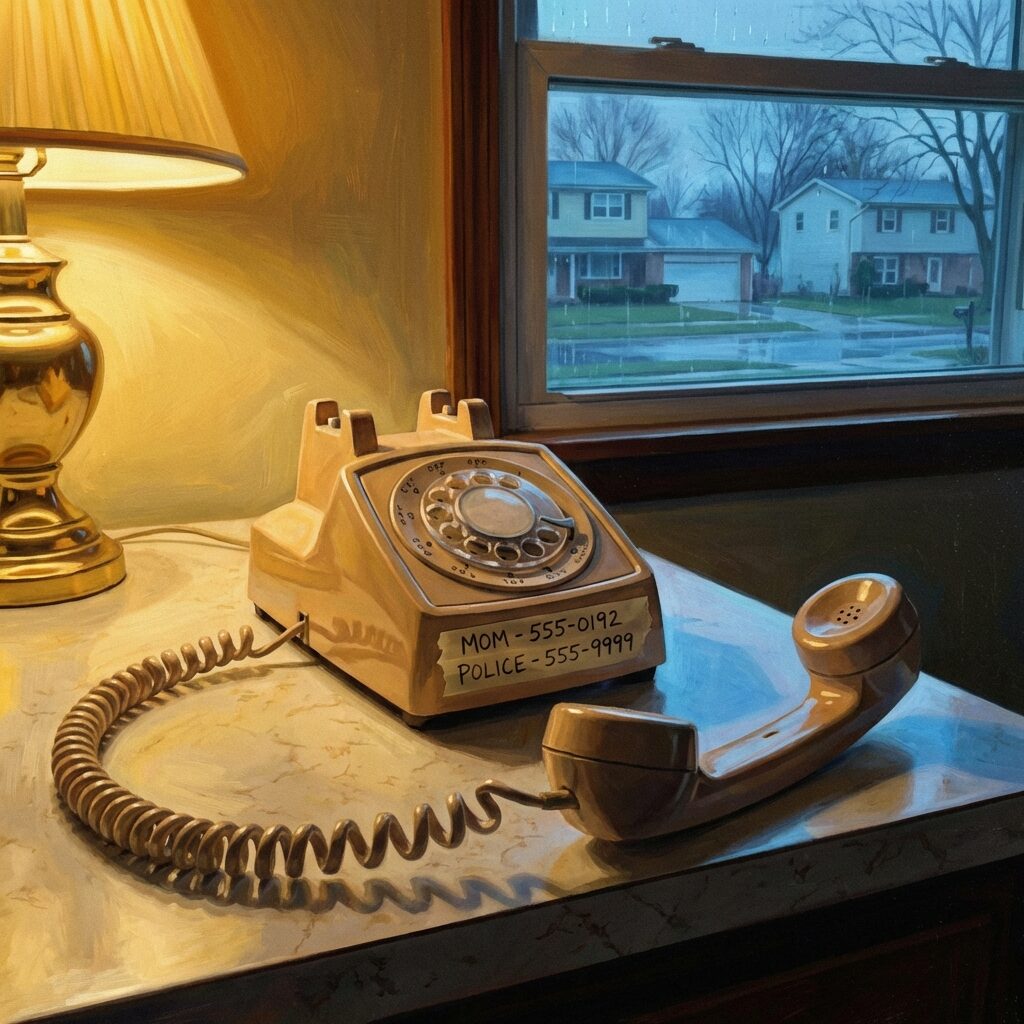
In 1981, Norman and Marilyn White of Libertyville, Illinois had a problem. Their phone wouldn’t stop ringing. Not telemarketers. Not family. Hundreds of strangers, calling at all hours, leaving lewd and threatening messages, asking for services the Whites were decidedly not equipped to provide.
The culprit was a five-year-old rock song. When Bon Scott howled “36-24-36 hey!” on the title track of AC/DC’s Dirty Deeds Done Dirt Cheap, enough listeners heard that final “hey” as an “8” to turn 362-4368 into the most dialed number in Lake County. The Whites filed a $250,000 invasion-of-privacy lawsuit against Atlantic Records, not the band, mind you, but the label. “At first, it was sort of humorous but it’s just gotten out of hand,” Marilyn White told UPI. “I’m just a normal person, at least I’m trying to be. It’s been like a nightmare with these phone calls at all hours.”
But how does a song become so inescapable that it ruins a stranger’s phone line? Especially one the label didn’t even want to release?
That’s the real kicker. Atlantic Records rejected this album in 1976. Their A&R department threatened to drop the band entirely. The rejection nearly got Bon Scott fired as frontman. Then Scott died in February 1980, Atlantic sheepishly released the album they’d been sitting on for five years, and it went 6x Platinum in the United States alone, becoming AC/DC’s third-biggest American seller, behind only Back in Black and Highway to Hell. The song outlived the people who tried to kill it and the man who sang it. And a couple in suburban Illinois caught the shrapnel.
Five Guys, Barely Hanging On
AC/DC in 1976: a family-run band with a stable lineup for the first time, playing music too raw for arena rock, too bluesy for punk, and too Australian for anyone else, stuck between movements with no obvious home.
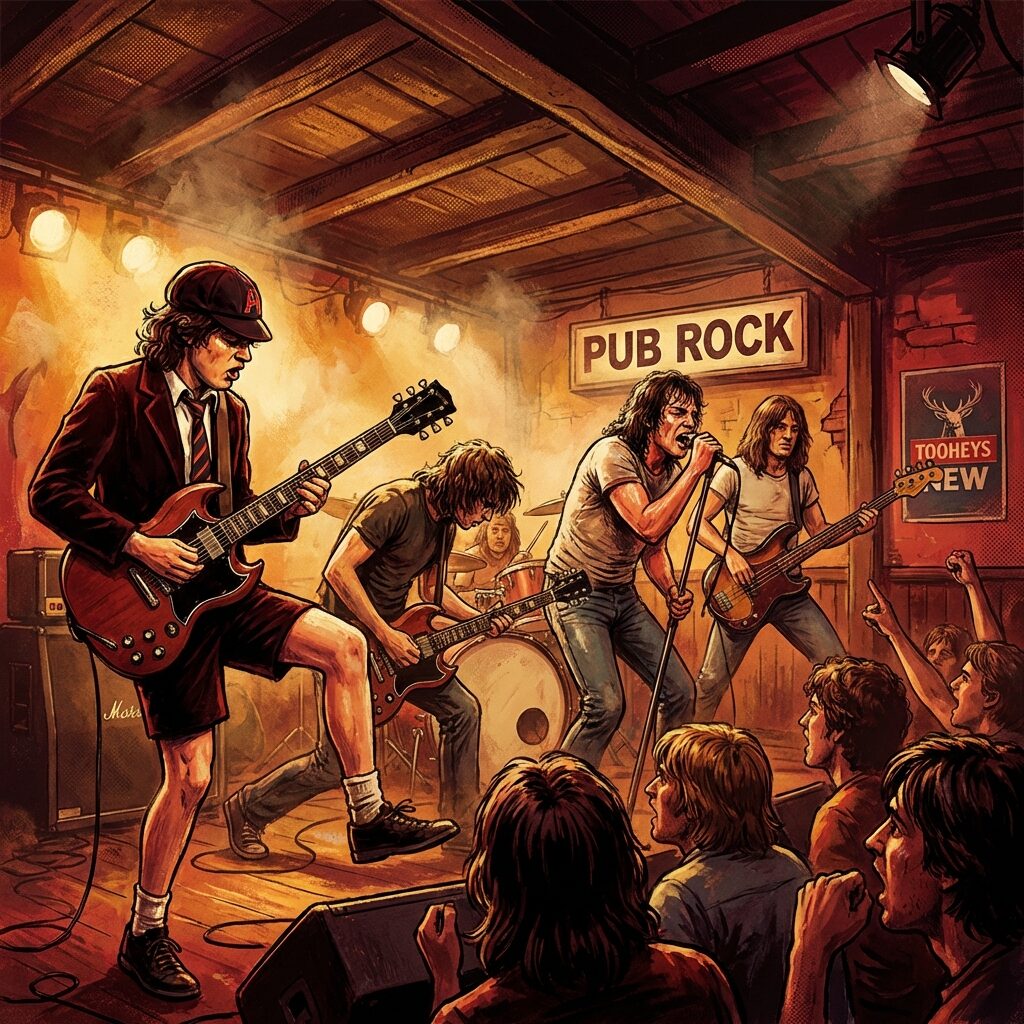
To understand why Atlantic balked at this album, you have to understand where AC/DC sat in 1976. They were a band nobody knew how to file.
This was their third studio album, but the first one recorded start to finish with a settled lineup. Mark Evans had locked in on bass, Phil Rudd on drums, the Young brothers on guitars, and Bon Scott, the former Valentines and Fraternity frontman who’d joined in 1974, handling vocals in that shredded, whiskey-soaked howl of his. They’d been touring relentlessly on the “Lock Up Your Daughters” Australian run, playing pub gigs and club shows, winning over crowds one beer-drenched room at a time.
The operation was a family affair, literally. George Young, Malcolm and Angus’s older brother, former Easybeats member, genuine Australian pop royalty, produced. Harry Vanda, George’s longtime creative partner, engineered. Even Alex Young, another brother, contributed a track called “I’m a Rebel” that got recorded at the sessions but never saw release by the band. (The German metal act Accept eventually grabbed it and named their second album after it. Music history takes strange turns sometimes.)
Malcolm Young later described the creative process with disarming honesty: “Back then we never went into the studio with anything more than a riff. In fact, we thought a riff was a song. We really didn’t know any better.” That looseness gave the music its energy, but it’s also exactly the kind of thing that makes label executives reach for the antacid.
The timing didn’t help either. In the UK, punk was about to go off. The Ramones had already dropped their debut in April. The Sex Pistols were months away from “Anarchy in the U.K.” Across the Atlantic, arena rock owned the American airwaves, Boston, Fleetwood Mac, Peter Frampton selling out stadiums. AC/DC were too raw and loud for the FM rock crowd, too bluesy and riff-heavy for punk purists, too Australian for everybody else. They fell between movements, and bands that fall between movements usually don’t survive. The thing is, if you’re playing music that good, genre labels start to seem beside the point. But nobody sitting in Atlantic’s New York office was hearing it that way yet.
A Villain’s Business Card
The song title came from a 1960s cartoon villain’s business card, the key lyric from a mosquito spray ad. The band recorded between tour dates at studios in Sydney and London, writing and tracking in roughly two weeks on adrenaline and deadline pressure.
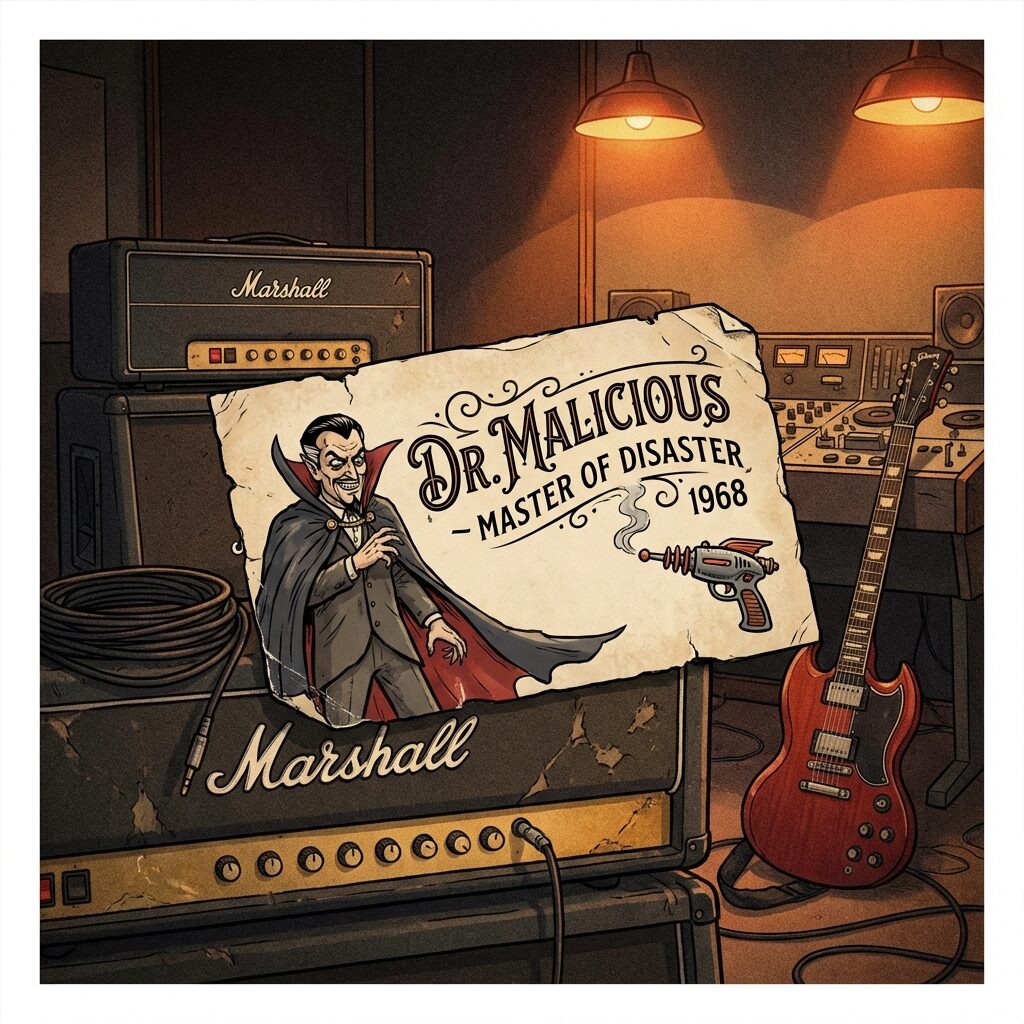
The title came from a cartoon. Specifically, from Beany and Cecil, the 1962 animated series that Angus Young watched as a kid after his family emigrated from Glasgow to Sydney. The show’s villain, Dishonest John, carried a business card that read: “Dirty Deeds Done Dirt Cheap. Holidays, Sundays, and Special Rates.” A cartoon villain’s rate card. That’s where the song title came from.
Malcolm Young confirmed the origin in a 1992 interview with Mark Blake for Metal CD: “It was Angus that came up with the song title, Dirty Deeds Done Dirt Cheap. It was based on a cartoon character that had the phrase as his calling card. Then Bon stuck in the line ‘I’m dirty, mean, mighty unclean’ from an advert for mosquito spray that was running on Aussie TV at the time.”
A cartoon and a bug spray commercial. Which, if you think about it, is a pretty accurate portrait of how AC/DC wrote songs in the mid-’70s. They grabbed whatever was lying around and welded it onto riffs. A guitarist who remembered a funny line from a kids’ show. A singer who’d been paying attention during the ad break. That was the whole process.
The recording sessions started in late 1975 or early 1976 at Albert Studios in Sydney. Sources argue about the exact dates, but the circumstances aren’t in dispute. The band was mid-tour, playing gigs at night and recording during whatever hours were left. Malcolm described the pressure candidly: “We didn’t have much time to do that album. After High Voltage we seemed to be touring constantly. Then we signed the record deal to go over to England and just as we’d completed the tour, they told us we had to do another album. All we did was go straight into the studio after doing the night’s gig and knock up some new ideas.”
“Knock up some new ideas” is doing a lot of work in that sentence. The band was writing and recording between soundchecks, running on adrenaline and deadline pressure. The core tracks were captured in roughly two weeks of intensive work, with Vanda and George Young keeping the production raw and live-sounding. The band played together in the studio, overdubs kept to a minimum.
Additional sessions happened at a studio in London, referred to as either Vineyard Studios or Vineland Studios depending on which source you trust. Nobody seems entirely sure which is correct. The band was in the UK for their April 1976 tour, and Vanda and Young flew over to capture material for a planned EP that was eventually scrapped. Three songs came out of those London sessions: “Carry Me Home” (later a B-side), “Love at First Feel” (which made the international version of the album), and “Dirty Eyes,” a track that never saw the light of day under that name but was reworked into “Whole Lotta Rosie” for the following year’s Let There Be Rock. Even the stuff they threw away from these sessions turned into something.
One gear detail worth noting for the tone-obsessed: Angus reportedly swapped to a smaller 50-watt Marshall for his solos on these sessions, stepping down from the 100-watt Super Lead Plexi heads he usually ran. The goal was extra warmth, a thicker, more saturated lead tone than the cutting brightness of the bigger amps. It’s a minor choice on paper, but listen to the solo on “Dirty Deeds” and you can hear it. There’s a roundness to Angus’s tone that sits differently than his later, more searing work. He went quieter to get fatter. Simple as that.
Why This Riff Hits Different
Built on E Dorian (not plain minor), with a syncopated riff starting on the and-of-3 and a push-pull groove between Rudd’s straight kick and Malcolm’s off-beat guitar.
Let’s talk about why you can’t get this riff out of your head. It’s doing something sneakier than it sounds.
The song is in E Dorian. Not E minor. If that distinction means nothing to you, here’s the short version: regular E minor has a C natural in it, which pulls the mood toward something darker and more brooding. E Dorian swaps that C for a C-sharp, raising the 6th degree of the scale, and that one note changes the whole character. It’s the difference between a minor key that sounds sad and one that sounds like it’s up to something. Dorian has a swagger to it. There’s a reason it shows up in funk, in blues, in anything with a strut. It’s minor, but it refuses to mope about it.
The primary chords are all power chords, E5, D5, G5, A5, keeping the harmonic palette stripped down and punchy. The intro progression moves E5 to G5 to E5 to A5 to E5 to D5 to E5, always circling back to that E root like a dog returning to the same spot on the carpet. In the verse, it’s just D5 and E5 trading off. On paper, couldn’t be simpler.
But the central riff starts on the and-of-3. Not on beat one, not on the downbeat, on the upbeat of beat three. That slight displacement is what gives the riff its feeling of leaning forward, like it’s perpetually about to fall on its face but never quite does. Between the strums, there’s a ton of open space that demands precise left-hand muting to keep the strings quiet. Play it sloppy and the riff falls apart. Play it clean and it practically breathes.
Beginners can learn the notes in about ten minutes, Ultimate Guitar rates the tab as Beginner difficulty, and it’s one of their most-viewed tabs with over 162,000 views, but playing it with the right feel is a completely different problem. The syncopation has to sit in exactly the right pocket, and that pocket is defined by what Phil Rudd is doing behind it.
Rudd’s kick drum pattern is straight, steady, unsyncopated, right on the beat. Malcolm’s rhythm guitar does the opposite, landing between beats, pushing against the pulse. That tension between the locked-in drums and the off-kilter guitar is the engine of the whole song. It’s the push-pull that makes AC/DC groove where lesser bands just stomp. Greg Kot put it well in Rolling Stone: “The guitars of brothers Angus and Malcolm Young bark at each other, Phil Rudd swings the beat even as he’s pulverizing his kick drum.”
Hooktheory’s analysis turns up a stat worth sitting with: a chord-melody tension score of 83 out of 100. That’s high. The chord complexity score is only 19 out of 100, and the chord progression novelty is a mere 15, meaning the chords themselves are about as simple and conventional as they come. But the tension score tells you the melody is doing unexpected things against those simple chords. Bon Scott’s vocal line zags where the harmony zags, creating friction points that your ear registers as interesting even if your brain never bothers to analyze why.
The vocal arrangement has more going on than you’d consciously notice, too. There’s a heavy breathing backing vocal landing on the downbeat during the verses, giving the track this slightly menacing respiratory quality. The title phrase itself is delivered spoken-word style, not sung, Bon drops out of melody entirely to just declare it, like he’s reading off a business card. Malcolm Young contributes rare backing vocals, thickening the chorus. And then there’s the scream at the end of the song, one of those moments so embedded in rock vocabulary that you almost forget how unhinged it sounds in context. It’s not pain, not ecstasy. It’s the scream of a guy who’s been doing dirty deeds all night and is genuinely enjoying his work.
For the solo, Angus mixes major and minor pentatonic scales freely, classic blues language, with his signature pull-off arpeggios creating rapid-fire cascading runs. That 50-watt Marshall warmth rounds out the tone, giving the solo a fatter, more saturated sound than the razor-wire brightness of his later work. It’s a short solo, played against Bon’s vocal screaming in the background. Two performances happening at once, feeding off each other’s energy.
The Hitman’s Rate Card
A hitman’s rate card that doubles as self-promotion, two “services” are AC/DC album titles, the phone number is both a real format and a come-on, and the dark lyrics hide behind larrikin humor.
If you’re havin’ trouble with the high school head
He’s givin’ you the blues
You wanna graduate, but not in his bed
Here’s what you gotta do
Pick up the phone, I’m always home
Call me anytime[Pre-Chorus]
Just ring: 3-6, 2-4, 3-6, hey
I lead a life of crime
[Chorus]
Dirty deeds,
done dirt cheap
Dirty deeds,
done dirt cheap
Dirty deeds,
done dirt cheap
Dirty deeds and they’re done dirt cheap
Dirty deeds and they’re done dirt cheap
[Verse 2]
You got problems in your life of love?
You got a broken heart?
He’s double dealin’ with your best friend
That’s when the teardrops start, fella
Pick up the phone, I’m here alone
Or make a social call
[Pre-Chorus]
Come right in, forget about him
We’ll have ourselves a ball, hey
[Chorus]
Dirty deeds,
done dirt cheap
Dirty deeds,
done dirt cheap
Dirty deeds,
done dirt cheap
Dirty deeds and they’re done dirt cheap
(Oh)
Dirty deeds and they’re done dirt cheap
[Guitar Solo]
(Oh, yeah)
[Verse 3]
If you got a lady and you want her gone
But you ain’t got the guts
She keeps naggin’ at you night and day
Enough to drive you nuts
Pick up the phone, leave her alone
It’s time you made a stand
[Pre-Chorus]
For a fee, I’m happy to be
Your back-door man, hey
[Chorus]
Dirty deeds,
done dirt cheap
Dirty deeds,
done dirt cheap
Dirty deeds,
done dirt cheap
Dirty deeds and they’re done dirt cheap
(Yeah)
Dirty deeds and they’re done dirt cheap
[Bridge]
Concrete shoes, cyanide
TNT (Done dirt cheap), ooh
Neck ties, contracts
High voltage (Done dirt cheap, yeah)
[Outro]
Dirty deeds,
do anythin’ you want me to
Done dirt cheap
Dirty deeds,
dirty deeds
Dirty deeds
done dirt cheap
Yeah!
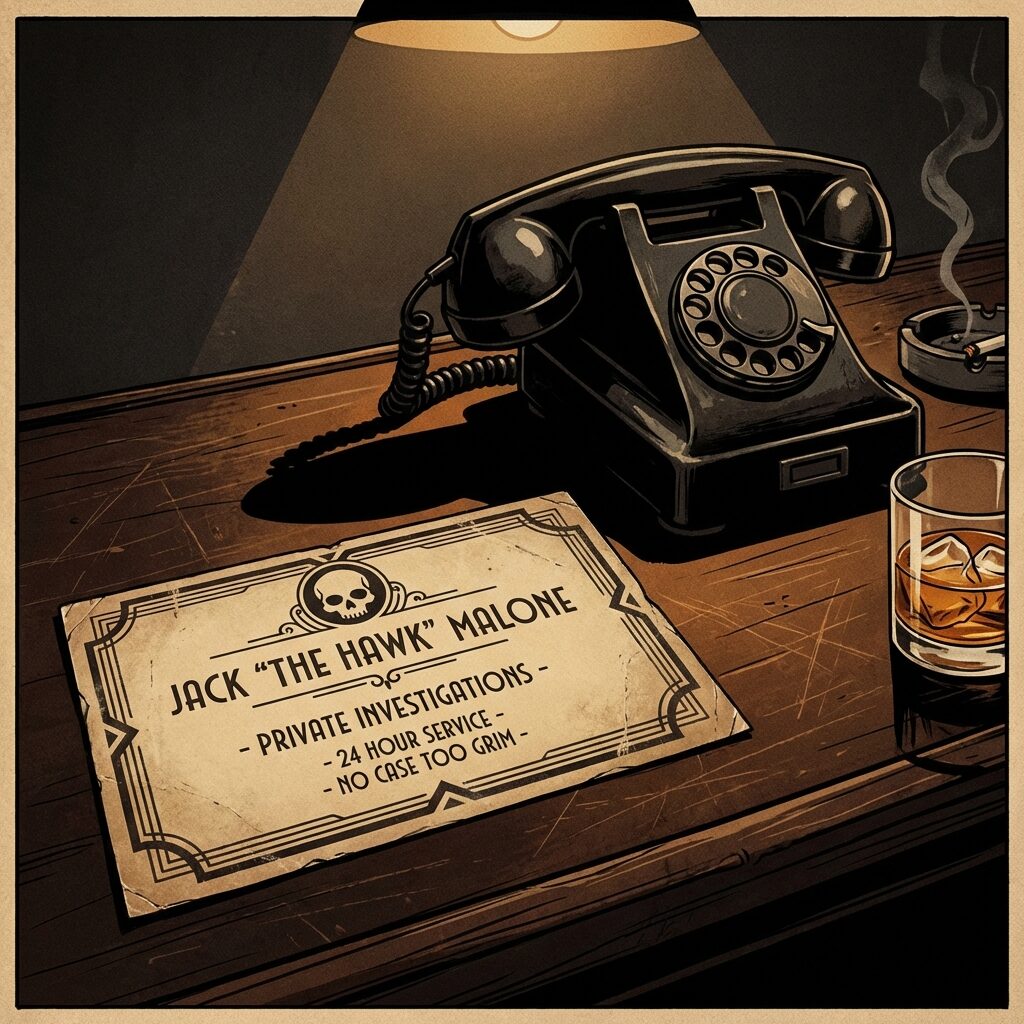
Read the lyrics cold and you’ve got a menu of criminal services. The bridge lays them out like a takeaway menu: “Concrete shoes, cyanide, TNT, neckties, contracts, high voltage.” Concrete shoes, mob disposal. Cyanide, poisoning. TNT, demolition. Neckties, the Colombian variety, not the boardroom kind. Contracts, hits for hire. High voltage, electrocution.
And here’s a detail that gets me every time: two of those “services” are AC/DC album titles. T.N.T. was their 1975 album, High Voltage their debut. Bon Scott is advertising murder methods and sneaking in self-promotion at the same time. The man was multitasking.
Then there’s the phone number. “36-24-36” works on at least two levels, which is about right for Bon Scott. On the surface, those are the idealized female bust-waist-hip measurements, the same proportions the Commodores would celebrate in “Brick House” the following year and Sir Mix-a-Lot would interrogate in “Baby Got Back” sixteen years later. But 36-24-36 also maps to a real Australian phone number format. Under the old alphanumeric system, it would have been FM 2436, 36 translating to FM on a rotary dial. So it’s a phone number and a come-on at the same time. A business line and a punchline. That’s Bon Scott in six digits.
The verses are darker than they sound on first listen. Take the high school scenario: “If you’re havin’ trouble with the high school head / He’s givin’ you the blues / You wanna graduate, but not in his bed / Here’s what you gotta do.” Strip the riff away and it’s a sinister setup, an authority figure coercing a student, and the proposed solution is assassination for hire. The song plays it for laughs, wrapping something ugly in a cartoon framework, and the riff’s momentum carries you past any discomfort before it fully registers.
Bon Scott was aware of the tone and defended it with typical Australian bluntness: “Rugby clubs have been doing the same thing for years, songs like that. The songs that won the Second World War were like that, with the chaps singing them as they marched into battle.” He was putting the song in the Australian larrikin tradition, irreverent, blue-collar humor where nothing is too sacred to laugh at. The song isn’t endorsing violence any more than a rugby song endorses whatever unprintable thing it describes. It’s a joke told at full volume, and the setup is the punchline.
Angus Young was even more blunt about it: “There’s not much seriousness in it. It’s just rock ‘n’ roll. Chew it up and spit it out.” That quote could be AC/DC’s entire mission statement through the Bon Scott years. They refused to treat their own work seriously, and the funny thing is, not being precious about the material is exactly what makes it work. The song doesn’t try to be menacing. It just is, because it’s having too much fun to bother letting you know how dark it’s being.
The Album Nobody Wanted
Atlantic US rejected the album, nearly got Bon Scott fired, then released it after his death to cash in on Back in Black’s success. It outsold the album the band actually wanted to promote.
The story gets properly absurd here. AC/DC delivered their third album to Atlantic Records in 1976. Atlantic’s international division, based in London, overseen by Phil Carson, accepted it and released it in the UK and Europe. Atlantic’s US division took one listen and said no.
The specifics of the rejection have been reported in slightly different ways depending on the source, but the core complaint was consistent: the American A&R team was unhappy with the vocals and the production. They thought the record sounded too raw. Too rough. Not polished enough for the American market. The implication, according to bassist Mark Evans, went beyond just the album. Evans recalled that manager Michael Browning told him he “assumed Bon Scott would be fired” as a result of Atlantic US’s displeasure. The label wasn’t just rejecting a record. They were questioning whether the singer was the right frontman for a band they wanted to break in America.
Worth sitting with that one. Atlantic Records, a label that had signed Led Zeppelin, the Rolling Stones, Aretha Franklin, listened to Bon Scott on these recordings and decided his voice was the problem. AllMusic would later describe what Scott did on this album as “seething malevolence… encouraged by the maniacal riffs of Angus and Malcolm Young.” The quality that made the record dangerous and alive was exactly what the suits wanted to sand down.
The rejection had real consequences. The band was hampered by visa problems that made US touring difficult, and with no American album to promote, they had no leverage with Atlantic’s New York office. They retreated to Australia and pushed forward, recording Let There Be Rock in 1977 and Powerage in 1978. It wasn’t until the Mutt Lange-produced Highway to Hell in 1979 that Atlantic US fully committed, and by then the band had clawed their way to commercial viability through sheer persistence and three more albums’ worth of riffs.
Then Bon Scott died on February 19, 1980, after a night of heavy drinking in London. He was 33.
What happened next goes from absurd to cynical. Back in Black, the first album with new singer Brian Johnson, came out in July 1980 and became one of the best-selling records of all time, currently certified at 25-26x Platinum in the US. Suddenly, Atlantic realized they were sitting on unreleased AC/DC material. Import copies of Dirty Deeds had been circulating in the US for years, Australian pressings on Albert Productions, Atlantic international copies making their way across the Pacific, building underground demand among fans who’d discovered AC/DC through the later records and were working backwards through the catalog.
In early 1981, Atlantic finally released Dirty Deeds Done Dirt Cheap in the United States. The album they’d rejected five years earlier. The album they’d deemed not good enough for American ears. The album that had nearly cost Bon Scott his job. They released it after the singer was dead, when he couldn’t benefit from whatever success it might find, timed to ride the audience that Back in Black had built.
AC/DC were against the release. They were in the middle of establishing Brian Johnson as a legitimate frontman, not just a replacement, and they worried, correctly, as it turned out, that flooding the market with Bon Scott material would confuse audiences at live shows. They were trying to move forward. Atlantic was looking backward, and the view from back there looked like money.
Phil Carson, the London-based Senior Vice President who’d championed the band from the beginning, didn’t mince words. He called the timing “one of the most crass decisions ever made by a record-company executive.” Coming from a senior Atlantic executive, that’s not a casual observation. That’s an indictment.
And the final irony, the one that makes you wonder if the universe has a sense of humor about record executives: Dirty Deeds Done Dirt Cheap outsold For Those About to Rock We Salute You, the brand-new Brian Johnson album that Atlantic released later that same year. The record the band actually wanted people to buy, the one meant to be the present tense of AC/DC, got beaten by a five-year-old album fronted by a dead man. The rejected record didn’t just survive. It won.
Six Times Platinum, Five Years Late
The rejected album debuted at #3 on Billboard, went 6x Platinum in the US, and the title track alone has passed 400 million Spotify streams, all for a record nobody wanted to release.
The numbers tell the joke better than I can. An album rejected by its own label debuted at number 3 on the Billboard 200 and hit number 1 in Canada. It was certified Platinum by the RIAA on June 3, 1981, barely two months after release, meaning it shipped a million copies essentially overnight. By 2001, it had reached 6x Platinum in the US, with worldwide sales estimated around 11 million units.
Context matters here. When Dirty Deeds finally hit American shelves in early 1981, the audience wasn’t discovering AC/DC, they were devouring them. Back in Black was already a phenomenon, still charting, still selling. Highway to Hell had proven the band could work the American market. Every rock fan in the country knew who AC/DC was, and a significant chunk of them had heard about this mysterious unreleased album through import copies and word of mouth. The demand was pre-built. Atlantic just had to open the gate.
The title track has kept working in the streaming era, too. As of 2026, “Dirty Deeds Done Dirt Cheap” has passed 400 million streams on Spotify alone. The album’s total Spotify streams top 600 million. The second-most-streamed track is “Big Balls” at around 60 million, so the title track accounts for roughly two-thirds of the album’s entire streaming activity. It’s not just the hit from the record. It essentially is the record, at least as far as modern listeners are concerned.
Aubrey Powell, one half of the Hipgnosis design team that created the international cover art, the same firm responsible for Pink Floyd’s most iconic sleeves, recalled his first impression of the band without much diplomacy: “I remember two skinny little Australian guys coming into Hipgnosis’ studio, and I thought, ‘These guys aren’t going to amount to a hill of beans.’ I really did.” He shot the cover’s motel background near Sunset Strip in Los Angeles, flew back to England, hired models, and assembled the collage with its blacked-out eyes inspired by tabloid exposé magazines. The cover he designed for a band he dismissed became the visual identity for a record that’s still selling fifty years later. Everyone who underestimated this band got proven wrong eventually. It just took different amounts of time.
Dirty Deeds and the Dunder Chief
Misheard as “the Dunder Chief,” covered by Joan Jett, parodied by The Simpsons, used to woo Stephen King into a soundtrack deal, and even rendered as a lullaby, the song got into everything and never left.

You know a song has burrowed into the culture when people can’t even get the words wrong in the same way. The most famous mondegreen in rock history, and I will die on this hill, is “Dirty Deeds and the Dunder Chief.” It’s so widespread, so universally recognized as a mishearing, that someone actually produced WANTED posters depicting the two fictional characters (Dirty Deeds and his associate, the Dunder Chief) and sold them commercially. A song about a hitman spawned a fictional law enforcement duo through the sheer force of mumbled consonants.
Joan Jett recorded “Dirty Deeds”, she shortened the title, for her 1990 covers album The Hit List, and it reached number 36 on the Billboard Hot 100. That’s a respectable chart position for a cover of a song that was already fourteen years old and deeply associated with its original singer. Jett made one notable lyric change: she altered the “back door man” line, a modification that Lesley Gore also made when she recorded her own version for the 2002 compilation When Pigs Fly: Songs You Never Thought You’d Hear. (That compilation also featured a duet by Ani DiFranco and Jackie Chan performing Nat King Cole’s “Unforgettable,” which is a sentence I didn’t expect to write today.)
Television got hold of it, too. In a 2008 episode of The Simpsons called “Sex, Pies and Idiot Scrapes”, watched by 9.3 million viewers, Homer and Ned Flanders perform “Kindly Deeds Done for Free” by the fictional Christian tribute band AD/BC. It works as parody because it zeroes in on the exact tension that makes the original funny: cheerful delivery, criminal content. Flip the content to something wholesome and the melody becomes absurdly earnest.
Then there’s the Stephen King connection, which is one of my favorite pieces of rock trivia. King was directing Maximum Overdrive in 1986, his only directorial effort, a movie about sentient machines killing people, exactly the kind of project you’d expect from the man, and he wanted AC/DC to do the soundtrack. To convince the band, King put Dirty Deeds on the record player and sang along to the entire album line-for-line, proving he wasn’t just a casual fan but a true believer. It worked. The resulting soundtrack album, Who Made Who, became one of AC/DC’s most successful compilation releases. The horror master earned the band’s trust by demonstrating he knew every word to “Ain’t No Fun (Waiting Round to Be a Millionaire).” Sometimes fandom is its own credential.
And if you think the song has boundaries, consider this: there exists a Rockabye Baby! lullaby version of “Dirty Deeds Done Dirt Cheap,” rendered in gentle xylophones and music box tones on Lullaby Renditions of AC/DC. One reviewer described it as “hiding the melodies in a miasma of flatted and sharped thirds.” Somewhere, right now, a baby is falling asleep to an instrumental version of a song about contract killing. From WANTED posters to baby nurseries, from The Simpsons to Stephen King’s living room, “Dirty Deeds” goes wherever it wants.
Brian Johnson’s Problem
Brian Johnson inherited Bon Scott’s signature song and found a way to make it his own, changing a single syllable where Scott sang “hey” to “360.” The band kept it in the setlist for decades, though their complicated relationship with the track meant it only appeared on one official live album.
The band’s biggest worry about the 1981 release? That Brian Johnson would have to perform Bon Scott’s material live. And that’s exactly what happened. “Dirty Deeds Done Dirt Cheap” became a setlist staple, which meant Johnson had to stand in front of arena crowds and sing a song everyone still thought of as a dead man’s.
Johnson didn’t try to do a Bon Scott impression, which was probably the smartest decision he could have made. He did make one subtle lyric change worth noting: where Scott sang “36-24-36 hey,” Johnson sings “36-24-360,” rounding the number up instead of punctuating it with a shout. Easy to miss if you’re not listening for it. But that’s the kind of move a singer makes when he knows the worst thing he can do is cosplay his predecessor. Sometimes owning someone else’s song means changing a single syllable.
Here’s what’s odd, though: despite being performed at virtually every AC/DC show for decades, the song has appeared on only one official live album, 1992’s Live, with Johnson on vocals. That feels like an oversight until you think about the band’s complicated relationship with the track. It was never fully theirs the way “Back in Black” or “Highway to Hell” became theirs. It belonged to Bon, to the mid-’70s lineup, and performing it always carried a weight that the rest of the setlist didn’t.
The earliest known live recording dates from the Festival of Sydney in Haymarket on January 30, 1977, released on an Australian radio 2JJ compilation called Long Live the Evolution. That’s Scott’s version, captured in front of a festival crowd less than a year after the studio sessions. A later live recording from Detroit’s Joe Louis Arena in November 1983 showed up on the Plug Me In bonus CD from Best Buy in 2007. Listen to those two recordings back to back and you hear the full life of the song: the singer who gave it its personality, then the singer who had to figure out what to do with it after he was gone.
The Song That Wouldn’t Die
Everyone who tried to stop this song, the label, the band, a couple in Illinois, failed. It behaves exactly like its narrator: showing up uninvited and refusing to leave.
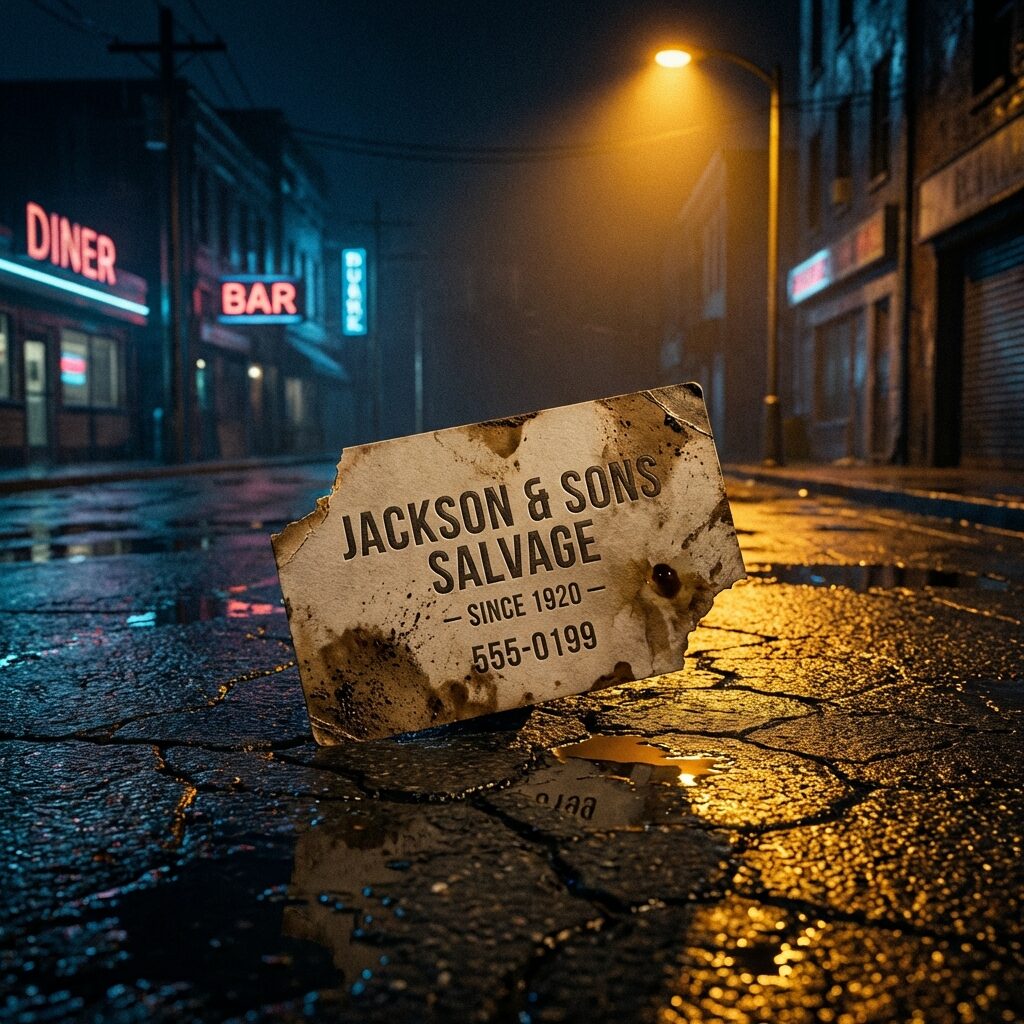
Let’s inventory all the people who tried to stop this song.
Atlantic Records rejected the album and nearly fired the singer over it. The band themselves opposed its American release, fearing it would undermine their new frontman. A couple in suburban Illinois tried to sue it out of existence because it was ruining their phone line. The cover designer looked at the band and figured they’d never amount to anything. The A&R department wanted the vocals re-recorded. The production smoothed out. The rough edges filed down.
None of it worked. Not one attempt to bury or litigate this song made any lasting difference.
Which is fitting, because the song behaves exactly like its narrator. It shows up uninvited. It offers services nobody asked for. And it will not leave. “Dirty Deeds Done Dirt Cheap” is the hitman in its own lyrics, turning up at your door with a business card and a grin, immune to restraining orders and corporate rejection memos alike.
Bon Scott recorded it between tour dates in a studio that might have been called Vineyard or Vineland, nobody’s entirely sure, the sources contradict each other, and at this point it genuinely doesn’t matter. He grabbed the title from a cartoon, the key lyric from a bug spray ad, and the attitude from a thousand pub gigs where the crowd was half-drunk and fully committed. He sang it in stolen hours, delivered it to a label that didn’t want it, and died before the country that rejected it ever got to hear it properly.
Four hundred million Spotify streams later, the details of which studio and which month and which A&R executive said what have blurred together. What remains is a riff in E Dorian that starts on the and-of-3, a vocal delivery that’s half spoken and half snarled, and a phone number that still causes trouble for anyone unfortunate enough to be assigned it.
Concrete shoes, cyanide, TNT. You can’t kill what was never killable in the first place.
Did you know? AC/DC’s “Dirty Deeds” was rejected by Atlantic Records, nearly got Bon Scott fired, then went 6x Platinum after his death. A couple in Illinois even sued because fans misheard “hey!” as “8” and called their phone nonstop 📞🤘 #ACDC #ClassicRock #BonScott https://bit.ly/4sWWKXE

Click to Tweet