ABBA | Arrival (album)
Muzak to Masterpiece
When Arrival came out in 1977, Rolling Stone called it Muzak and Christgau gave it a C. In 2024, the Library of Congress added it to the National Recording Registry alongside Biggie and Green Day. The public never needed convincing, the album outsold Dark Side of the Moon in year one, but it took the critical establishment 48 years to catch up.
Here’s Ken Tucker, writing in Rolling Stone in April 1977, on the subject of ABBA’s fourth studio album: “Muzak mesmerizing in its modality.” He went further, describing Agnetha and Frida as nattering on “in their shrill voices without regard to emotion or expression.” Robert Christgau, the self-appointed Dean of American Rock Critics, was even more economical with his dismissal, a flat C grade in the Village Voice. “A record of clear professionalism or barely discernible inspiration, but not both.”
Now jump-cut to 2024. The United States Library of Congress selects Arrival for preservation in the National Recording Registry, calling it “culturally, historically, and aesthetically significant.” It sits in the same induction class as Notorious B.I.G.’s Ready to Die and Green Day’s Dookie. Two of the most important albums in hip-hop and punk history, and right there beside them, the record that Ken Tucker heard as elevator music.
So what happened? How does an album travel from “vapid” to “national treasure” in 48 years?
Some of it is just time doing what time does. The prejudices of the moment fall away and you’re left with the music itself. But the bigger truth is that Arrival was always extraordinary, and a particular strain of rockist snobbery in the mid-seventies couldn’t hear it. Pitchfork’s reappraisal probably got closest: “At their best, as on Arrival, ABBA were as mysterious as Bowie, as rococo as Phil Spector, as unbearably sad as the Smiths.” That reads like hyperbole until you actually sit down with the record. Then it sounds about right.
Meanwhile, the critics were busy sharpening their pens and the public was ignoring them completely. Arrival outsold Dark Side of the Moon in its first twelve months. In Sweden, approximately 740,000 copies were sold, roughly ten percent of the country’s entire population. In Australia, it went 18x Platinum. In the UK, it was the best-selling album of 1977 and stayed in the Top 50 for three consecutive years. Those are staggering numbers for any genre. The listening public figured out what the critics wouldn’t admit for another half-century.
Four Swedes at the Peak
In 1976, ABBA were two married couples riding an unprecedented hit streak but written off by rock critics who had no idea where to file them, too polished for punk, too European for disco, too pop for anyone who took music seriously.
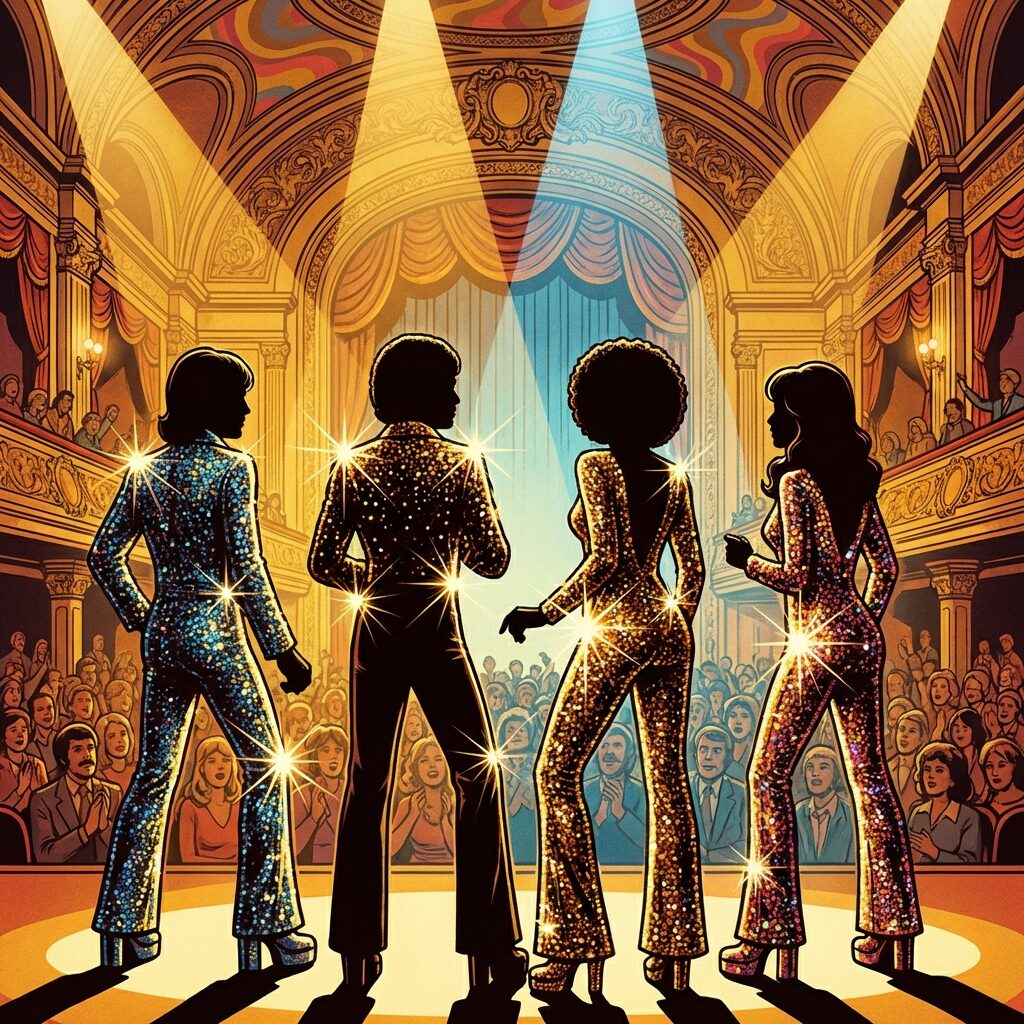
To get why the critics got Arrival so wrong, you need to know what ABBA looked like to the rock establishment in 1976. They were two married couples, Björn Ulvaeus and Agnetha Fältskog, Benny Andersson and Anni-Frid Lyngstad, who’d won the Eurovision Song Contest two years earlier with “Waterloo” and then, instead of politely fading away like Eurovision winners were supposed to, had the audacity to keep having hits. Three consecutive UK number ones rolling into Arrival: “Mamma Mia,” “Fernando,” “Dancing Queen.” The nerve of these people.
The problem, as far as the rock press was concerned, was that nobody knew where to put them. Punk was erupting in London. Disco was reaching critical mass in New York. Progressive rock was still sprawling across double albums. And here was ABBA, sitting in this weird no-man’s-land, too polished for the punks, too European for the American mainstream, too pop for anyone who took music “seriously.” They wore sparkly outfits. They smiled on stage. They were from Sweden. In 1976, these were disqualifying offenses.
Arrival was where the now-iconic ABBA logo first appeared, the ambigram with the reversed B, designed by Rune Söderqvist. The idea was elegant and personal: each B (Björn and Benny) faces toward its adjacent A (Agnetha and Anni-Frid) because they were couples. Two marriages, mirrored in typography. It’s a lovely detail that becomes almost painful when you know what’s coming, both divorces, the music that emerged from that wreckage, the way the logo outlived the relationships it represented.
Behind the four famous faces was a rotating crew of session musicians who held the whole thing together. Drummer Ola Brunkert and bassist Rutger Gunnarsson were the rhythmic foundation, probably the only two musicians to appear on every ABBA album. Guitarists Lasse Wellander and Janne Schaffer traded sessions depending on availability, with Schaffer bringing a résumé that included Bob Marley and Johnny Nash. As Wellander told Guitar World: “We were a core of musicians. It wasn’t a full-time job to work with ABBA, and sometimes I couldn’t play, so Janne Schaffer was called in, and the reverse.” No ego about it, no turf wars. Just professionals who showed up, played brilliantly, and went home. That looseness was part of what made it work, it kept the music feeling human even as the production ambitions kept growing.
Fourteen Months of Obsession
Over fourteen months of interrupted sessions, ABBA carved 33 minutes of music with obsessive care, from a Dancing Queen backing track that made Frida cry before a single word was sung, to a title track that only became an instrumental because Björn forgot his lyrics at the session.
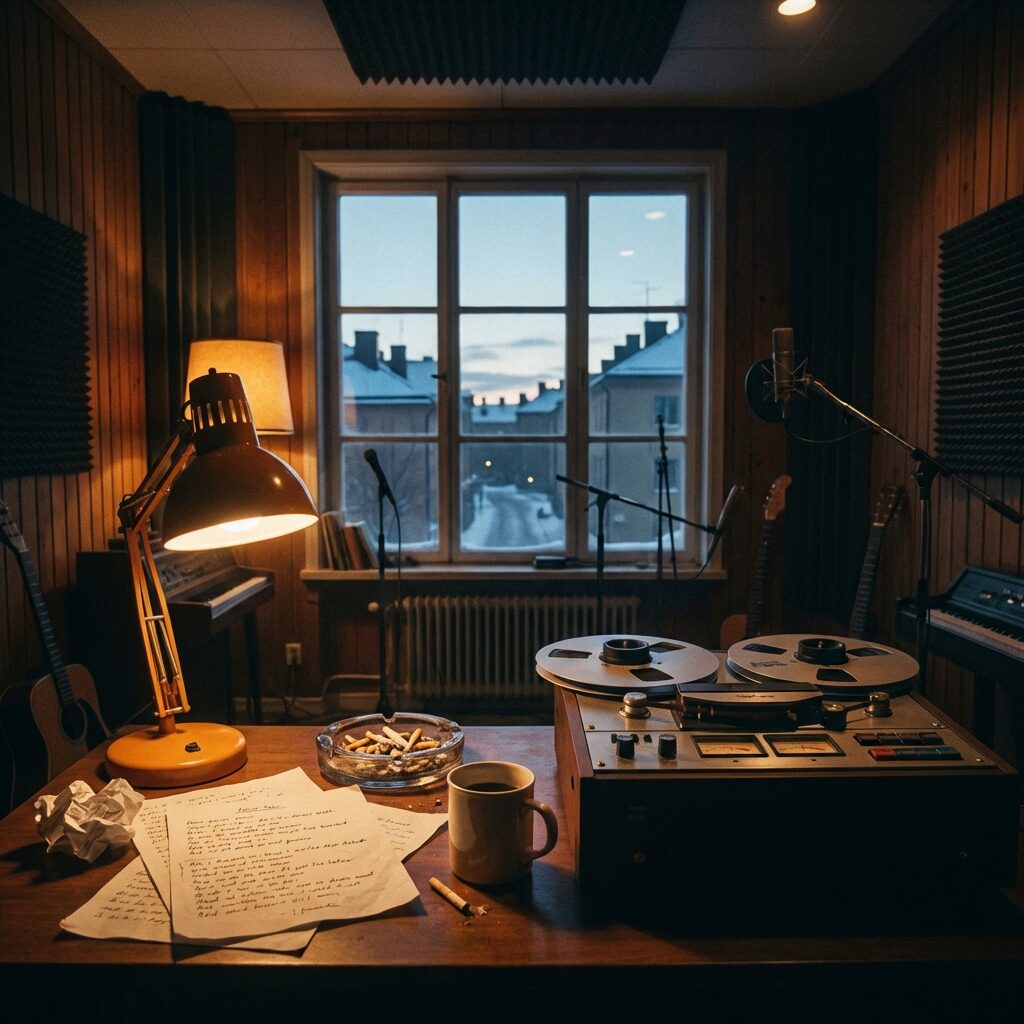
Arrival contains 33 minutes and 12 seconds of music. It took over fourteen months to record. That ratio, roughly twelve days of studio time per minute of finished audio, says everything about how Björn and Benny worked. This wasn’t a band jamming in a room and pressing “record.” This was architecture.
Recording began on 4 August 1975 at Glen Studios in a Stockholm suburb, where Björn and Benny spent two days laying down backing tracks with their session musicians. The first song committed to tape had the working title “Boogaloo”, which, if you haven’t guessed, became “Dancing Queen.” The inspiration was openly disco: George McCrae’s 1974 hit “Rock Your Baby,” which the band had heard on repeat at Alexandra, a Stockholm venue, and the swampy New Orleans drumming on Dr. John’s 1972 album Gumbo. ABBA’s manager Stig Anderson came up with the title. The abandoned first verse of the early demo started with “Baby, baby, you’re outta sight!”, charming, sure, but it would have robbed the final version of its universality.
My favorite detail about the whole Arrival saga: when Benny brought home a tape of the “Dancing Queen” backing track and played it for Frida, she burst into tears. No vocals had been recorded yet. No lyrics existed. Just drums, bass, guitar, and keyboards, and it made her cry. When the scaffolding alone does that to you, the finished building is going to be something else.
The sessions were interrupted constantly, promotional tours in the US and Europe, solo projects, other commitments. Progress on “Dancing Queen” alone stretched from August 1975 through December, with Agnetha and Frida adding vocals in September and further overdubs trickling in for months. By March 1976, they were back in the studio, now at Metronome Studios in Stockholm, beginning work on “Knowing Me, Knowing You” and wrestling with tracks that kept shape-shifting. “Why Did It Have to Be Me” became “Happy Hawaii” before reverting to its original form with new lyrics. “Money, Money, Money” went through a phase as “Gypsy Girl.” Nothing was finished until Björn and Benny said it was finished.
“Dancing Queen” received its first live domestic performance on 18 June 1976, at the Royal Swedish Opera during an all-star gala honoring King Carl XVI Gustaf and his bride-to-be Silvia Sommerlath, who married the following day. Think about that for a moment, the most perfect pop song of the decade, debuted the night before a royal wedding, in an opera house. They always had a sense of occasion.
Not every moment was so glamorous. Björn wrote the lyrics for “Dum Dum Diddle” in a fit of desperation at five in the morning, facing an imminent vocal overdub session with nothing prepared. “I’d been working all night trying to come up with a decent lyric,” he later admitted. “And I thought, ‘Well, I’d better take in something to prove that I’ve been working.’ I showed them this song, thinking they’d say, ‘Oh, no! We can’t do that!'” They did it. Björn’s own verdict: “It might as well have been Dumb Dumb Diddle!”
And then there’s the title track, which became an instrumental by pure accident. “Arrival” was supposed to have lyrics about the birth of Björn and Agnetha’s daughter Linda. Björn forgot to bring them to the session. The working titles, “Fiol,” “Ode to Dalecarlia”, hint at the Swedish folk influences Benny threaded through the piece, but the finished product needed no words. It’s one of only two ABBA compositions without lyrics, following “Intermezzo No. 1,” and it might be the most haunting thing they ever recorded. The album’s title came first; the instrumental inherited it. So “Arrival” the song is named after “Arrival” the album, which is named after the concept of showing up, a weird little loop for a record that keeps finding new listeners, decade after decade.
The Mad Professor’s Sound
Engineer Michael B. Tretow, the so-called fifth member of ABBA, used obsessive techniques like tape-speed manipulation, cymbal-less drum recording, and swimming-pool reverb to build Arrival’s sound from the ground up.
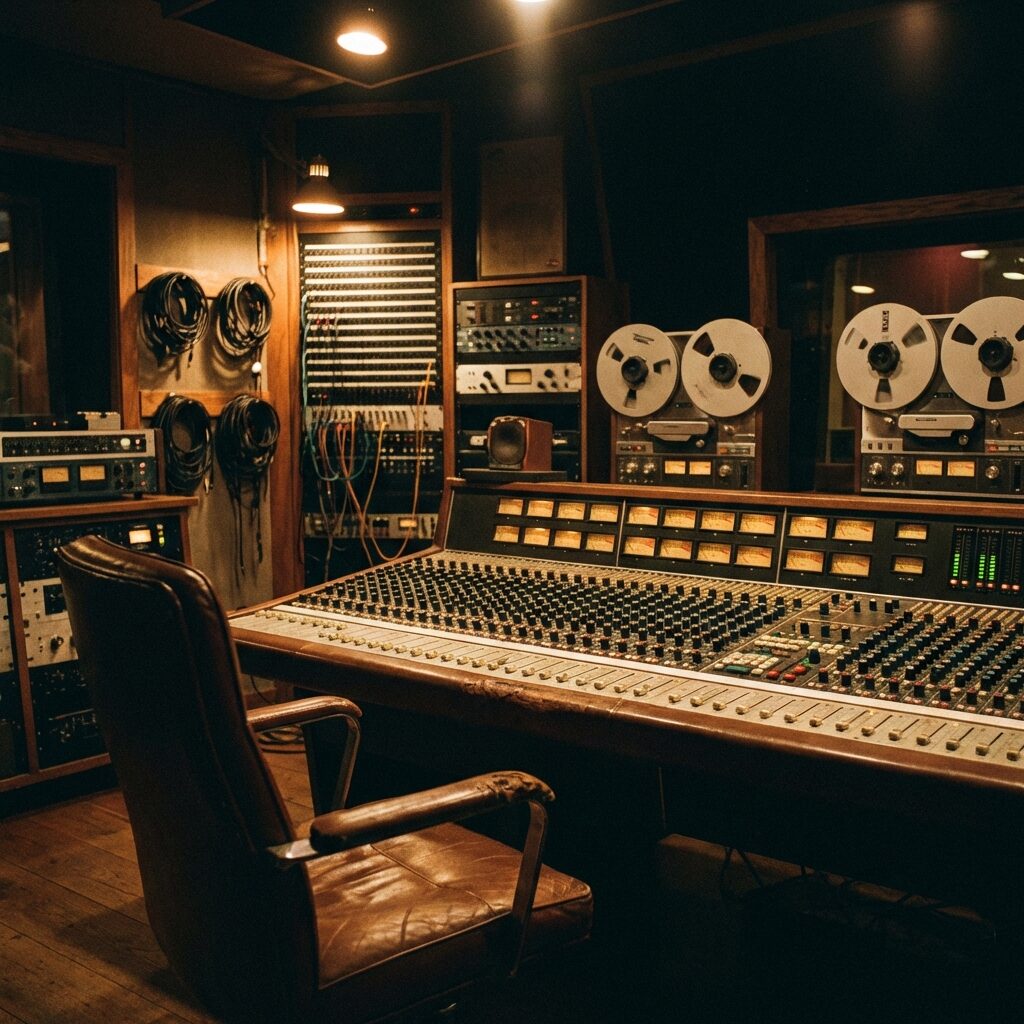
If Arrival has a secret weapon, his name is Michael B. Tretow. Born in Norrköping in 1944, Tretow had no formal musical education. As a teenager, he’d messed around with multi-overdub recordings in his bedroom using a Tandberg tape recorder, hooked after reading Richard Williams’ book Out of His Head about Phil Spector’s wall of sound. He became ABBA’s primary sound engineer in 1972 and stayed through every studio album until The Visitors in 1981. Historian Carl Magnus Palm described him as having “a touch of the mad professor in him.” That’s putting it mildly. Tretow was unhinged in the best possible way, and Arrival is where he stopped holding back.
Some of what Tretow did on this record borders on obsessive-compulsive.
Start with the basics: he was working with 16-track analog tape, which meant every track was precious real estate. Despite that constraint, one ABBA song accumulated 84 overdubbed tracks through creative bouncing and layering. To create the illusion of a live ensemble playing in a room, Tretow moved the amplifier to a different position in the studio for every single overdub. “To get a ‘natural’ sound, as if it were a bunch of real instruments playing out in the studio, I moved the amp in the room for every overdub we made, and recorded each harmony in stereo on two tracks,” he told Sound International Magazine in 1980. Each harmony in stereo on two tracks. The patience required is hard to fathom.
He placed three microphones on the piano for richer tonal layering. He deliberately refused to mic the cymbals. Only the toms and bass drums got microphones, because Tretow believed cymbals overpower the arrangement and muddy the midrange where vocals live. Most engineers in 1976 would have considered this heretical, but listen to any track on Arrival and notice how clean the vocals sit, how the instrumentation surrounds them without ever stepping on them. That’s the cymbal-less philosophy doing its job.
For the title track “Arrival,” the Polymoog synthesizer wasn’t even directly mic’d. It was picked up only by two ambient microphones in the room, giving it that slightly distant quality that makes the instrumental feel like it’s drifting in from somewhere far off. On other tracks, he had guitarists playing in a drained swimming pool for the natural reverb. He filled the bass drum with loaves of bread to dampen it. He was allowed 40 takes to get the Kepex noise gates right on a single song. Nobody does this. This is someone who forgot that “good enough” exists.
Then there’s the trick that gives ABBA vocals their strange shimmer, the thing you can hear but can’t quite name. After the final vocal take, Tretow would change the 24-track tape speed by approximately 0.5%. Not enough to make the pitch sound wrong. Just enough to introduce a subtle brightness in the harmonies that sits slightly outside what your ear expects from natural singing. Think of it like adding a half-teaspoon of something unexpected to a recipe. You can’t identify it, but you’d miss it if it were gone.
Then there’s “Dancing Queen,” whose musical architecture repays closer attention. The song sits in A major at 101 BPM, not quite disco tempo, not quite rock tempo, but a mid-ground that makes it feel energetic and relaxed at the same time. The chord work is more sophisticated than a casual listen suggests: inverted chords and seventh chords build harmonic complexity beneath what sounds like a simple pop surface. The verse progression moves through G to C/G to Em to D, while the chorus introduces B7, A7, and Am7, with those seventh chords adding just enough tension and color to keep your ear engaged without ever making the song feel labored. The vocals are compressed to cut through the layered instrumentation, which is why Agnetha and Frida sound so immediate even when there’s an orchestra’s worth of overdubs behind them.
All of the background harmonies and choir parts on Arrival were sung by the four ABBA members themselves, nearly always double-tracked. Tretow recorded them using a C34 microphone, with Frida and Agnetha facing each other on opposite sides, each capsule running through a dbx 160 limiter. The recording process followed a strict sequence: basic rhythm track first (drummer, guitarist, bass player), then overlaid arrangements, then vocals, and orchestra overdubs last. Guide tracks were recorded with placeholder “phoney lyrics” like “I love you / Please love me too / Don’t be untrue,” just to give the vocalists something to sing while the real words were being written.
ABBA acknowledged Tretow’s contribution openly. The liner notes for Arrival read: “As usual we’ve been working with Michael B. Tretow, sound engineer as well as an invaluable pusher and a never ending source of ideas.” Years later, Benny put it more plainly: “You meant more to us four in ABBA than anyone else.” When the Library of Congress inducted Arrival in 2024, their statement specifically called out “engineering” alongside playfulness and melancholy. After nearly five decades, Tretow got his name on the thing that counts.
Songs That Knew the Future
Björn wrote one of pop’s greatest divorce songs while still happily married, just by letting the backing track tell him what it wanted to be about. Within five years, both ABBA marriages had ended, and a fictional breakup became uncomfortably real.
Ils étaient tous en place
On partait de zéro
Même enfermé dans l’sas
J’tuerais pour mes frérots
Si tu nous parles c’est en liasses
Envoie les dineros
Tu vois pas qu’le temps passe ?
Arrête ton numéro
[Refrain : S-Pi] (x2)
To leka, to leka
To leka, to leka
To leka, to leka
To leka, to leka
[Couplet 1 : Black Brut]
À ton âge, il y a des choses
Qu’un garçon doit savoir
Les MC tu sais, méfies
C’est pas c’que tu crois
Ce sont tous des mythos
Salam aleykoum, Shalom, Salut
La première salope qui m’manque de respect j’l’allume
En featuring avec Ice et l’un des fils de Tabu Ley
Belek, une bastos peut en cacher une autre
J’tirais juste en l’air pourquoi tu t’chies dessus ?
Maintenant nettoie les traces sur ta culotte
J’constate qu’y’a plus d’règles, rien ne va plus
Depuis qu’on idolâtre d’anciens matons
Ils se disent poids lourds mais ce n’sont qu’des poids plumes
Les cailles-ra du rap game sont d’anciens chatons
Ils ne miaulent même pas dans les temps
Ces putains d’chatons mystic flow sale beurk
Passe à la maison qu’j’te file un flacon d’savon lessive
J’vole de mes propres ailes, comme l’aigle des Açores Pauleta
J’ai brisé mes propres chaînes
J’suis passé maître, plus l’temps d’être un esclave
[Pré-refrain : S-Pi]
Ils étaient tous en place
On partait de zéro
Même enfermé dans l’sas
J’tuerais pour mes frérots
Si tu nous parles c’est en liasses
Envoie les dineros
Tu vois pas qu’le temps passe ?
Arrête ton numéro
[Refrain : S-Pi] (x2)
To leka, to leka
To leka, to leka
To leka, to leka
To leka, to leka
[Couplet 2 : S-Pi]
On a quadrillé le rrain-te
On arrive dur sur l’homme
J’ai gagné des batailles #Cesare
J’ai la vue sur Rome
Dans le double red cup
Grenada pur jus d’pomme
Ils ont pris dans l’rectum
Pour des petites sommes ces fiottes
Doucement, le bail est prêt
Ils m’demandent tous “Ice
Où t’étais tout c’temps ?”
J’vois la vie couleur Compton
Sous mes verres fumés rouge sang
Gesteur de malade
Gentleman la parade
T’attends pas à m’voir au Hit-Parade
Si p’t-être avec mes loups de malade
N’écoute pas les rappeurs
Ils t’racontent que des salades
Brutinho XXX, Prim’s on se sait
On fera bouger les foules avec ce banger en concert
Ok, ta femme j’m’en vais coquer
Elle en reste choquée, elle a le hoquet
J’les envoie hors du ring
J’mets la barre haute #YaoMing
Pur mwana boka XXX
G&G dans l’building, ma parole est koyinda
[Pré-refrain : S-Pi]
Ils étaient tous en place
On partait de zéro
Même enfermé dans l’sas
J’tuerais pour mes frérots
Si tu nous parles c’est en liasses
Envoie les dineros
Tu vois pas qu’le temps passe ?
Arrête ton numéro
[Refrain : S-Pi] (x2)
To leka, to leka
To leka, to leka
To leka, to leka
To leka, to leka
[Couplet 3 : Youssoupha]
Ok, yeah
Cette fois c’est la bonne
Les rageux sont ligotés
Quatrième album, disque d’or, toujours coté
Banamikili XXX banakin XXX Brazzaville beauté
J’trouve plus le sommeil, colère de calibre
Même l’amour se monnaye, bordel de tarif
Lingala commerce, les condés nous reconnaissent
Sapologie congolaise, Norbert De Paris
Tabu Ley descendant j’ai un million d’res-frè
J’perce en indépendant du coup je les effraie
Éteignez vos klaxons, j’suis pas un mauvais garçon
Donc remets-nous des glaçons, enfoiré de Jeffrey
La rue fait mes backs, je la prends pour une choriste
J’suis loin d’être un brave vues les fautes que j’ai commises
Locks sur la tête, j’pousse un cri de panthère
Je serai king d’Angleterre, Bafétimbi Gomis
On veut encore innover pour rap en phase critique
On fait encore des lovés avec de sales gimmicks
Dix ans de concert poto pendant ton sommeil
On fait déjà de l’oseille avec le frérot Ice Crimi’
Ambition énorme, rastafari dans la dégaine
Si le rap est mort, j’irai cartonner en reggae
Poto je te blesse à peine, baise la fête
Baisse la tête, mais pourquoi tu bégayes ?
L’rap français m’échappe, quand il jacte, il se ffiche-a
Les MCs sont des chattes, font des Snapchat en chicha
Le game est renversé, puissant est le verset
Nous on est controversé
comme le Twitter à Tysha
J’rappe révolution, mon album une aubaine
J’cherchais des solutions mais j’ai trouvé des problèmes
Stoppez les débats, si j’étais des Pays-Bas
Je serai Gullit au départ
,
S-Pi dans la peau de Robben
Tu nous reconnais, c’est la guerre comme à Gaza
Ça c’est pour mes Congolais, Kinshasa et Brazza
P.H.I.L.O guest le pirate coco bien bon
Black Brut, Charles, Tabu, KeBlack et Naza
Kinshasa karma, c’est la frappe locale
Pendant le carnage moi je reste au calme
Coupable je plaide si le rap français est dead
Moi j’suis déjà au Bled, parle à ma boîte vocale
Prim’s
Vous êtes bien sur la messagerie d’Youssoupha
Je n’suis pas disponible pour le moment
Et j’ai arrêté l’rap
Laissez-moi votre message, après le bip sonore
Je n’vous rappellerai pas
[Pré-refrain : S-Pi]
Ils étaient tous en place
On partait de zéro
Même enfermé dans l’sas
J’tuerais pour mes frérots
Si tu nous parles c’est en liasses
Envoie les dineros
Tu vois pas qu’le temps passe ?
Arrête ton numéro
[Refrain : S-Pi] (x2)
To leka, to leka
To leka, to leka
To leka, to leka
To leka, to leka
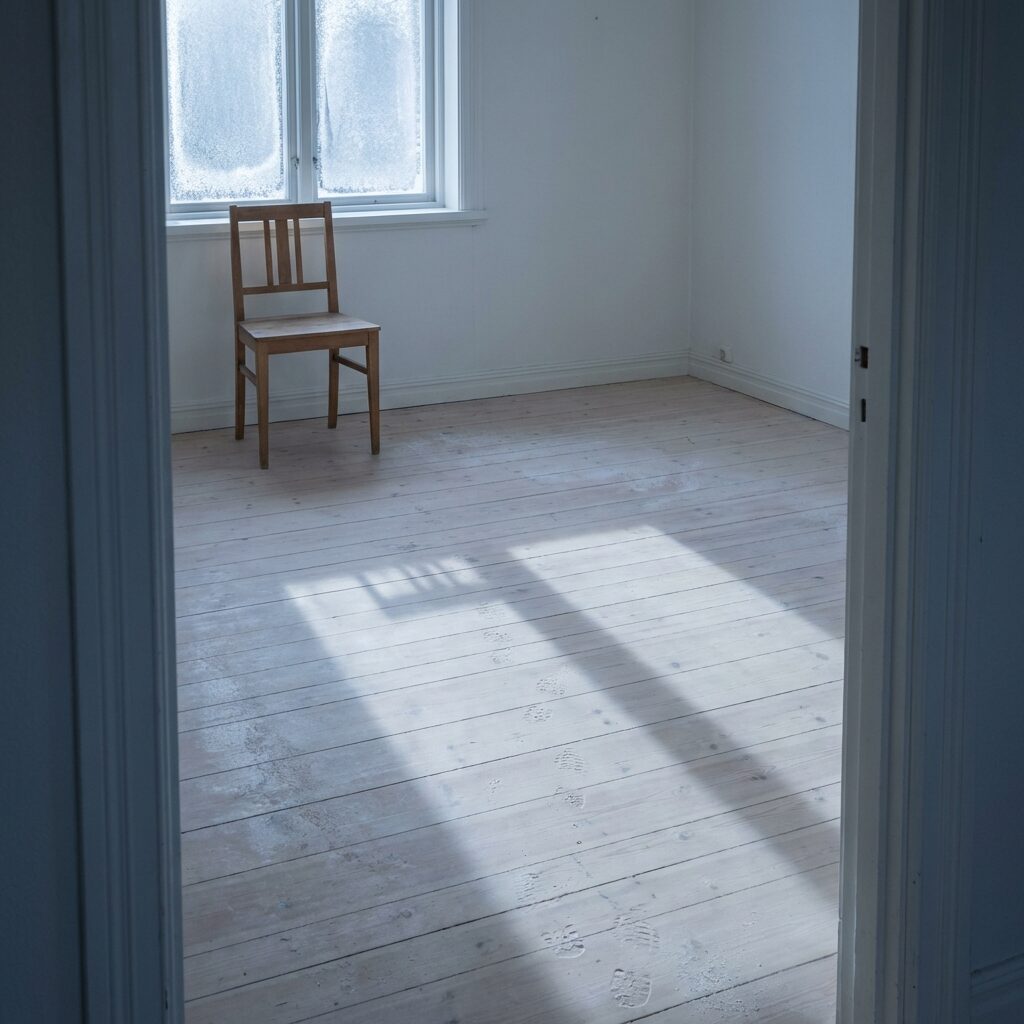
Here’s what still gets me about Arrival: Björn Ulvaeus wrote “Knowing Me, Knowing You”, one of the most devastating breakup songs in pop history, while both ABBA couples were still happily married. He described his process as listening to the backing track and waiting for it to “tell him” what the song was about. What it told him was a vision of a man walking through an empty house after a divorce. The rooms are quiet. The memories are loud. “Walking through an empty house, tears in my eyes / Here is where the story ends, this is goodbye.”
Björn and Agnetha had married on 6 July 1971. They divorced in 1979. Benny and Frida married in 1978. They divorced in 1981. Within five years of writing a fictional divorce song, both ABBA marriages had ended. Björn himself reflected on this with characteristic Swedish understatement: “I think I wrote ‘Knowing Me Knowing You’ before the divorce. In many ways, Agnetha and my divorce was an amicable one, we just grew apart and decided let’s split up. Benny and Frida’s was a little more difficult.” Benny called it “one of our five best recordings.” He wasn’t wrong. But the emotional weight it carries now, knowing what came after, that’s something no amount of studio craft could have planned for.
The emotional range across Arrival’s ten songs is wild. You get “Tiger,” where Agnetha practically tears her vocal cords apart, that climactic “TIGEEEEEEEEEEEEEEEEEEEEERRRRRRRRRRRRRRR!!!!” is one of the most unhinged moments in ABBA’s catalog, pure adrenaline and screaming intensity. And then you get “My Love, My Life,” which started as a bouncy number called “Monsieur Monsieur” and transformed into one of the most lush, vulnerable ballads they ever recorded. The distance between those two songs is enormous, and the fact that they sit on the same album without either feeling out of place tells you how carefully this tracklist was assembled.
“Fernando”, included on Australian, New Zealand, and South African editions of the album, has one of the more interesting lyrical journeys in ABBA’s history. The original Swedish version, recorded for Frida’s solo album in 1975, told a straightforward love story that Björn found too “banal.” So he rewrote the English lyrics entirely, transforming it into a conversation between two aged Mexican revolutionaries reminiscing by firelight. “Can you hear the drums, Fernando?” Two old soldiers, staring into embers, remembering the fight. The English version contains a grammatical error, “Since many years I haven’t seen a rifle in your hand” should technically be “For many years”, and absolutely nobody has ever cared, because the emotion is right. Grammar is negotiable. Feeling isn’t.
On the lighter end, “When I Kissed the Teacher” opens the album with an obvious nod to early 1960s American girl-group innocence, the kind of song the Shangri-Las might have cut if they’d been Swedish and had access to Tretow’s studio. And “Why Did It Have to Be Me” is pure Björn barroom energy, a sap-loses-his-heart shuffle that Pitchfork nailed as being “all but one lap-steel and two fingers of whisky short of vintage Hank Williams.” Even “Dum Dum Diddle,” the song Björn wrote in a 5 AM panic, has its own neurotic charm, Pitchfork described the narrator as “ill with sexual frustration, literal second fiddle to her maestro lover who’d sooner pluck his Stradivarius.”
What holds all of this together isn’t some grand artistic statement. It’s that these are songs about how people actually feel, not how greeting cards say they should feel. The joy in “Dancing Queen” doesn’t last. The heartbreak in “Knowing Me, Knowing You” is quiet and complete. “Fernando” aches even while it comforts you. ABBA’s critics only ever heard surfaces. The songs were always doing something else underneath.
Numbers That Silenced the Critics
“Dancing Queen” was ABBA’s only US number one, the album outsold everything in the UK for 1977, and roughly 10% of Sweden’s population owned a copy, numbers so large that critical opinion became beside the point.
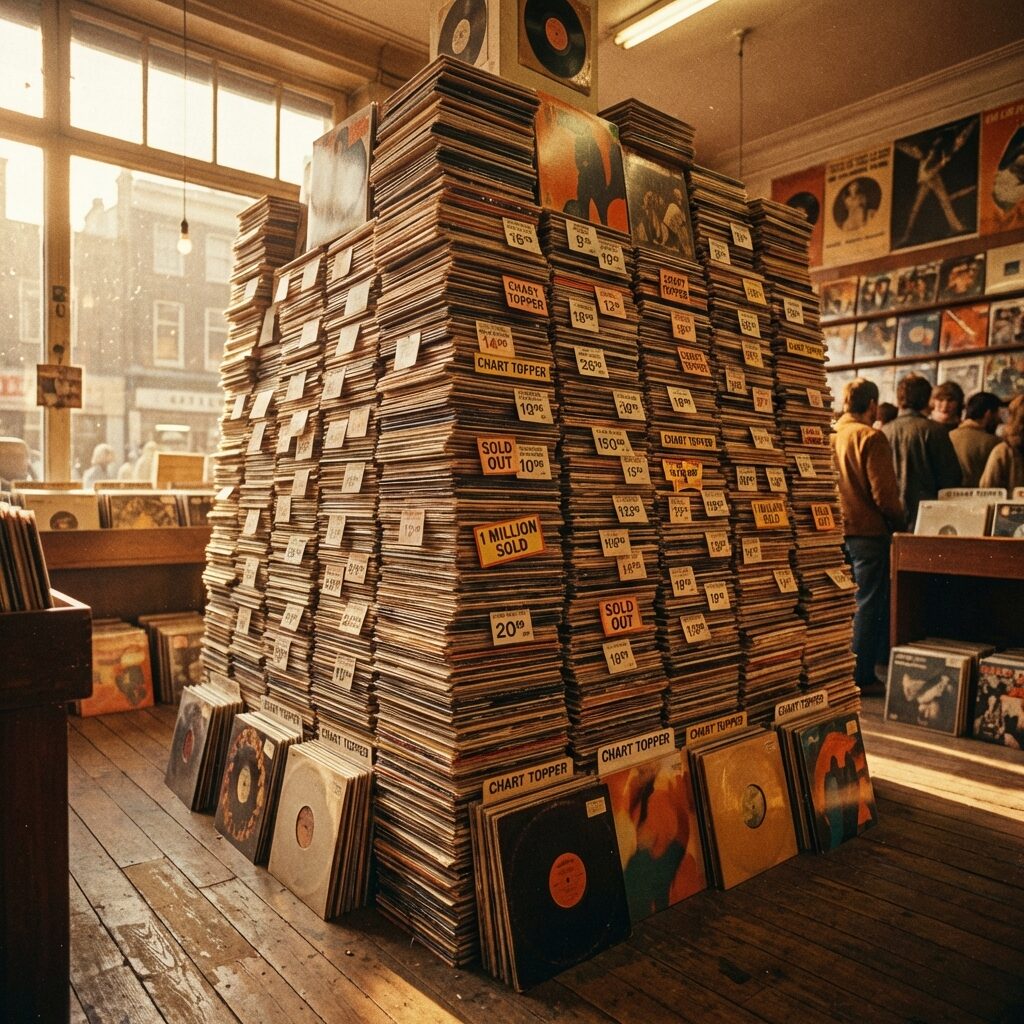
The commercial performance of Arrival and its singles is, frankly, absurd. Even the conservative estimates.
“Dancing Queen” was ABBA’s only US number one, and it didn’t happen overnight. It took seven weeks just to crack the Top 40 on the Billboard Hot 100, and eighteen weeks total to reach the summit. But once it arrived (there’s that word again), it went everywhere. Number one in fifteen-plus countries. Six weeks at the top in the UK, ABBA’s longest-running chart-topper, and the fourth biggest single of 1976. In Sweden, it held the top spot for fourteen weeks. In Norway, it charted for 32 weeks on the VG-lista Top 10, making it the eleventh best-performing single in Norwegian chart history. UK sales alone reached 1.56 million copies, making it ABBA’s only million-selling single in Britain. Worldwide, it moved more than three million copies. And the song hasn’t stopped: in 2022, it was still pulling 19 million Spotify streams per week.
The album itself was the best-selling record of 1977 in the UK, with over 1.65 million copies sold. It remained in the OCC year-end album chart’s Top 50 for three consecutive years, 1976, 1977, and 1978. In Australia, 850,000 units made it 18x Platinum, arguably the biggest-selling studio album the country had seen up to that point. The Netherlands matched that dominance with over 500,000 units. Japan moved 646,000 copies across LP and cassette. In Ireland, 150,000. And in Sweden, those staggering 740,000 copies, one for roughly every ten citizens.
The other singles held their own. “Money, Money, Money” hit number one in eight countries and reached number three in the UK. “Knowing Me, Knowing You” spent five weeks atop the UK chart (with 845,000 copies sold by 2010) and became ABBA’s sixth consecutive German number one. In the US, it peaked at number 14.
“Fernando,” released as a standalone single before the album but included on several regional editions, was a quiet monster. It hit number one in thirteen-plus countries and spent fourteen weeks at the top in Australia, a record that stood for over forty years until Ed Sheeran’s “Shape of You” finally surpassed it in 2017. Worldwide, it sold over ten million copies. ABBA’s manager Stig Anderson sold the rights to use “Fernando” in Japanese television commercials for the electronics giant National for one million dollars in 1976. A million dollars. For five TV spots. In 1976 money.
I should note: there’s an ongoing dispute about ABBA’s exact sales figures. ChartMasters has done extensive work debunking inflated claims, they’ve argued that ABBA hasn’t sold 360 million records total, and that Arrival hasn’t sold 20 million units. The verified numbers are lower than the mythology. But here’s what matters: even the conservative, debunked, ChartMasters-approved figures are staggering. You don’t need to exaggerate. The truth is impressive enough.
One last detail that I keep thinking about, the regional curiosities. The Czechoslovakian edition of Arrival replaced “Dancing Queen” with “Intermezzo No. 1.” Some committee behind the Iron Curtain looked at the biggest pop song in the world and decided it wasn’t suitable, swapping it for an obscure B-side. East Germany did something similar, replacing “Money, Money, Money” with “Bang-A-Boomerang”, presumably because a song about wanting more money didn’t sit well with the socialist authorities. There’s something wonderful about pop music doubling as a geopolitical artifact.
From C Grade to Canon
From Rolling Stone’s “Muzak” pan to the Library of Congress calling out its “engineering” as culturally significant, Arrival’s critical rehabilitation took 48 years and couldn’t have been more total.
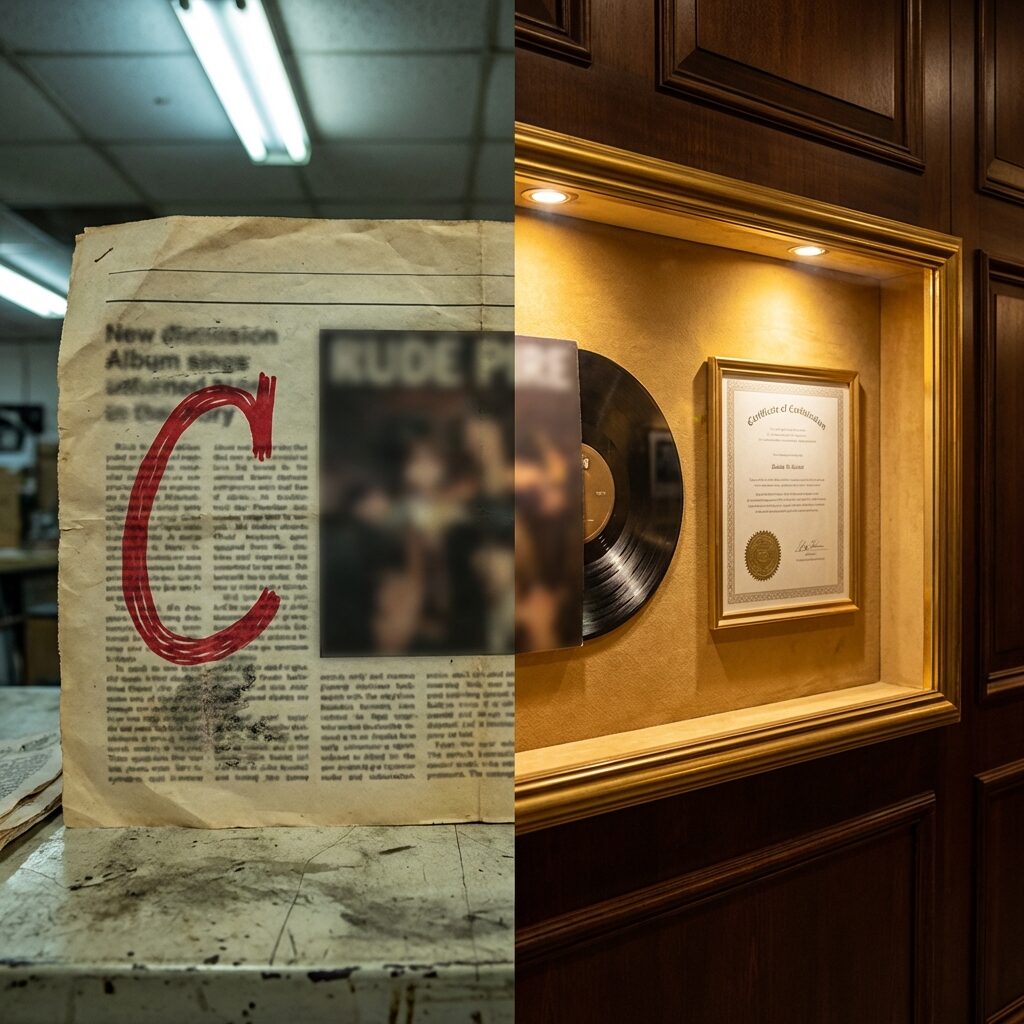
The critical arc of Arrival might be the funniest slow-motion reversal in pop music. It’s worth walking through chronologically, because the turnaround is so complete it almost reads like fiction.
1977: Tucker in Rolling Stone hears “shrill voices without regard to emotion.” Christgau in the Village Voice hands it a C. The rock establishment has spoken. Arrival is professional but uninspired. Muzak. Next.
But even then, the consensus had cracks. The BRIT Awards, in their inaugural year, nominated Arrival for Best International Album of the Year. The British music establishment, which actually had to sell records and book venues, recognized what the critics were too cool to admit. These songs worked. They connected. They filled arenas.
Then the slow turn began. By the time Bruce Eder reviewed the 2001 reissue for AllMusic, the verdict had flipped entirely: 4.5 out of 5 stars. He called the material “brilliant” and pointed to “those dramatic musical effects that this group played for maximum effect, which gave their music a raw power that their detractors usually overlooked; in the new edition, it’s impossible to ignore.” The New Rolling Stone Album Guide, the same publication that had run Tucker’s pan, gave it 4 out of 5 in 2004. And Pitchfork delivered what might be the single best sentence ever written about the group: “At their best, as on Arrival, ABBA were as mysterious as Bowie, as rococo as Phil Spector, as unbearably sad as the Smiths.”
“Dancing Queen” was inducted into the Grammy Hall of Fame in 2015, an honor reserved for recordings of “qualitative or historical significance” that are at least 25 years old. Billboard ranked it number 76 in their list of the 100 Greatest LGBTQ+ Anthems of All Time in 2025, recognizing what the queer community had long since decided for itself: this was an anthem of joy and self-expression, and no amount of critical snobbery could take that away.
And then came the Library of Congress in 2024. Their selection statement praised “playfulness, melancholy, and engineering combined with the voices of singers Agnetha Fältskog and Anni-Frid (Frida) Lyngstad.” Pay attention to that word: engineering. The Library of Congress specifically called out the technical craft of the recording, Tretow’s obsessive, cymbal-less, tape-speed-manipulated, swimming-pool-reverb craft, as part of what makes the album worth preserving for posterity. Nearly fifty years after Tucker heard Muzak, the nation’s most prestigious cultural institution heard art. And they named the engineer as part of the reason why.
That same year, King Carl XVI Gustaf bestowed all four ABBA members with the Commander, First Class, Royal Order of Vasa, the first time in roughly fifty years that a Swedish order of knighthood had been given to Swedish citizens. From Eurovision novelty to national knights. You couldn’t script it better.
The Afterlife of Arrival
From Muriel’s Wedding to MGMT to the Mamma Mia franchise, the songs on Arrival broke loose from their original context and burrowed into global culture in ways nobody, especially not the critics, saw coming.
You know a pop song has outlived its moment when it keeps turning up in places nobody planned for it. The songs on Arrival didn’t just outlive their moment. They colonized everything.
Take Muriel’s Wedding, P.J. Hogan’s 1994 film about a desperately unhappy young woman in a dead-end Australian town. Toni Collette’s Muriel uses ABBA, “Dancing Queen” especially, as a lifeline, a private language of possibility and escape. The scene where she lip-syncs to “Dancing Queen” alone in her bedroom is one of the most joyful things in nineties cinema, and it works because you can feel how much she needs this song. Here’s the detail that gets me: ABBA gave the music rights for free. Hogan confirmed it in Entertainment Weekly: “They gave me the rights for nothing. ‘Dancing Queen,’ ‘Fernando,’ ‘Mamma Mia!,’ ‘Waterloo’, the entire songs, for nothing!” A band everyone called calculating and commercial, handing over their most valuable songs because they believed in a small Australian film. You couldn’t write it.
Muriel’s Wedding and The Adventures of Priscilla, Queen of the Desert, both 1994, both Australian, both heavy on ABBA, kicked off a full-scale ABBA renaissance. That led to the Mamma Mia! musical in 1999, the film adaptation in 2008, the sequel in 2018. Follow the pipeline backward, from billion-dollar film franchise to global stage musical to cult soundtrack usage, and it traces back to these songs. Arrival didn’t just produce hits. It produced an industry.
The influence shows up in stranger places too. MGMT’s Ben Goldwasser admitted on Song Exploder in 2016 that they deliberately matched “Time to Pretend” to the exact tempo of “Dancing Queen” and lifted part of the piano riff. Sit with that for a second. One of the defining indie tracks of the 2000s is, at its rhythmic core, a “Dancing Queen” homage. ABBA’s fingerprints on a genre whose fans would have gagged at the comparison.
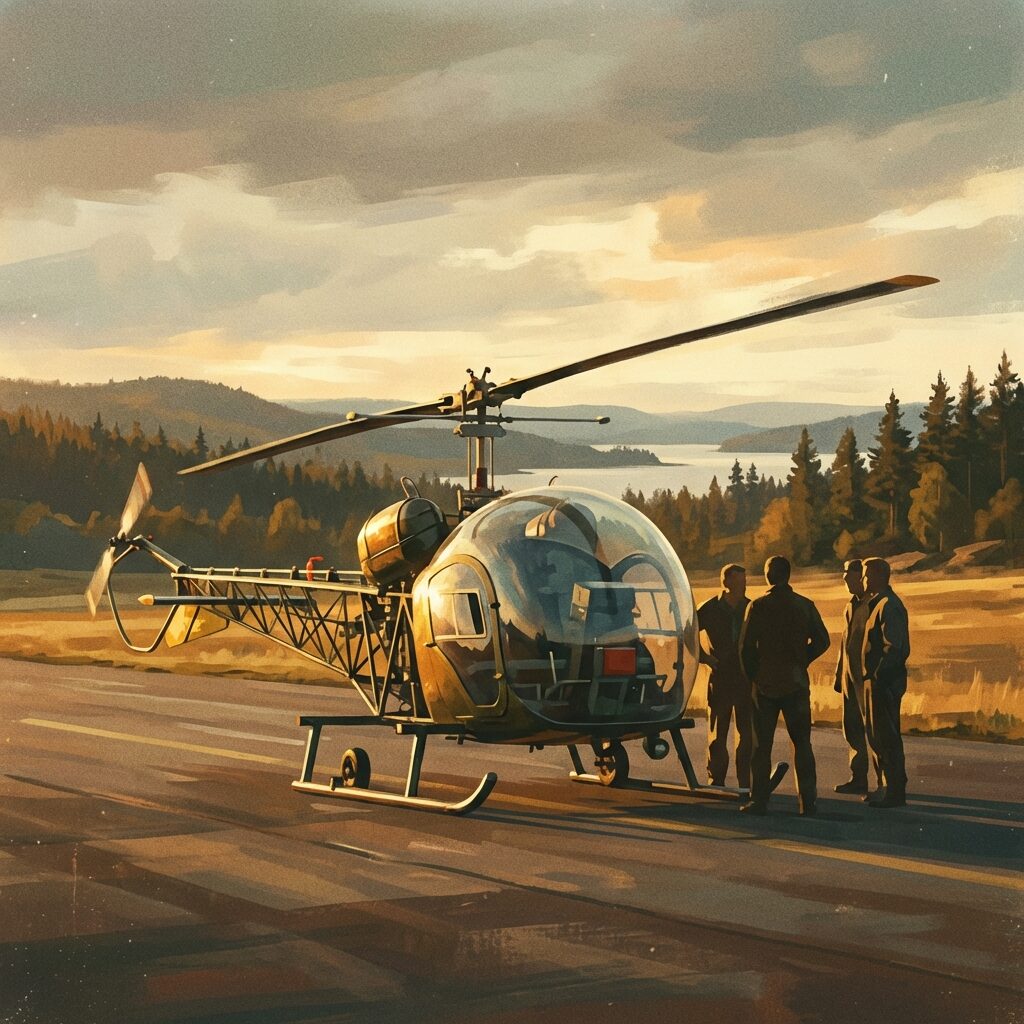
The cover versions say something about reach, too. U2 played “Dancing Queen” live, with Björn and Benny joining them onstage in Stockholm in June 1992. The biggest rock band in the world, paying tribute to a song the rock establishment once treated as a joke. Elvis Costello performed “Knowing Me, Knowing You” live. Mike Oldfield covered the “Arrival” instrumental for his 1980 album QE2, and, I love this, rented a Bell 47G helicopter for the single artwork as a nod to the original album cover, mirroring the K in “MIKE” the way ABBA mirrored their B. The Darkness used the “Arrival” instrumental as their walk-on music in the early 2000s, and tribute act Björn Again have used it for years. An instrumental that only exists because Björn forgot his lyrics became shorthand for “something dramatic is about to happen.”
The institutional side keeps growing. The ABBA Museum opened in Stockholm in May 2013, backed by Björn Ulvaeus, with a 1970s disco dance floor and the chance to audition as the “fifth member.” The ABBA Voyage virtual concert, with digital avatars of the band performing alongside a live band, is the latest version of a cultural franchise that doesn’t seem interested in stopping.
And “Dancing Queen” keeps finding new people. Its adoption by the LGBTQ+ community as an anthem of joy and self-expression, acknowledged by Billboard’s ranking, gave the song a political dimension nobody in 1976 could have seen coming. A song about a seventeen-year-old girl dancing becomes a song about freedom, about being allowed to exist as yourself in a room where nobody’s judging you. You can’t plan for that in a studio. It happens over decades, but only if the song is open enough to hold meanings its writers never intended.
The Album That Won
The critics heard Muzak, the Library of Congress heard art, and the answer to who was right lives in Tretow’s obsessive craft, Björn’s accidental prophecies, and harmonies your ear can’t quite identify but your heart responds to.
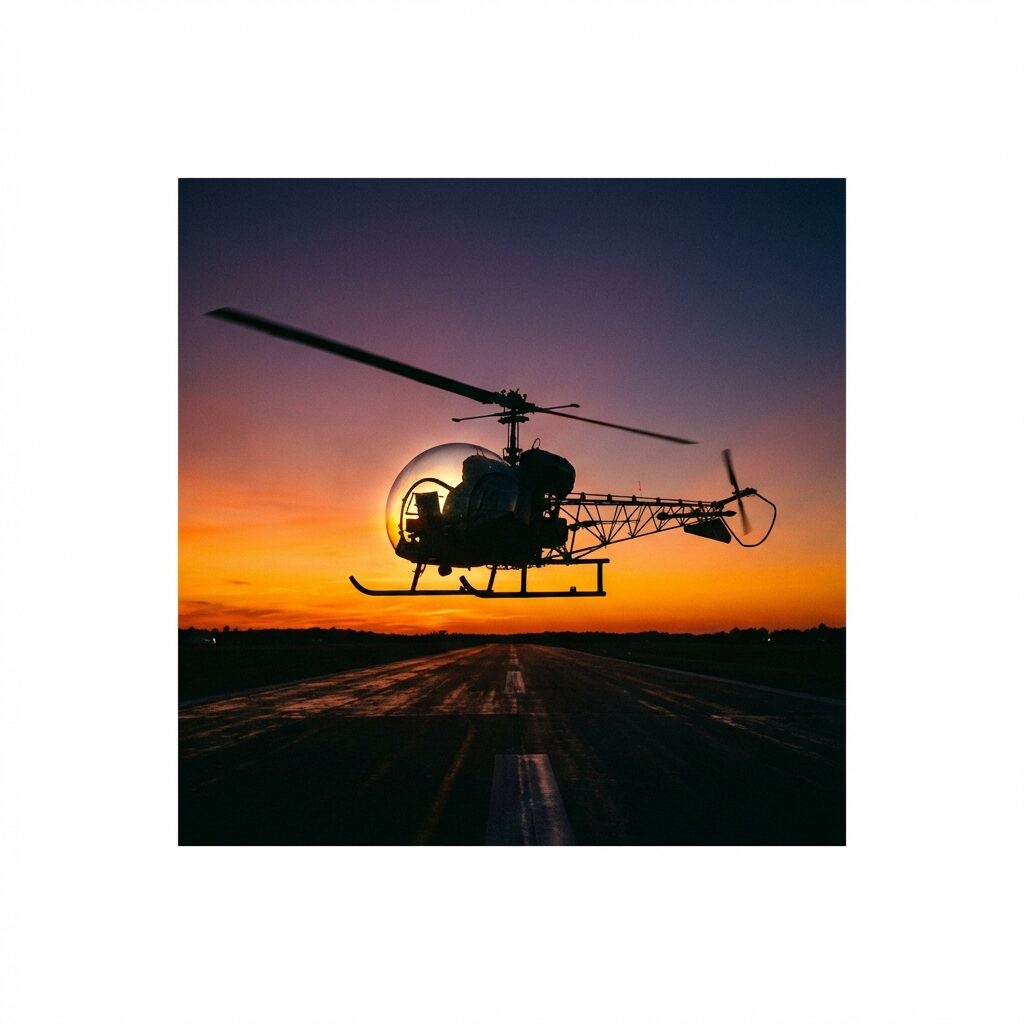
So let’s return to where we started. The critics heard Muzak. The Library of Congress heard art. Forty-eight years separate those verdicts. Who was right?
You already know the answer, but the interesting question is why. Why did the critical establishment get it so wrong? I think the answer is simpler than we’d like to admit: they heard the surfaces and assumed there was nothing underneath. The sparkly costumes, the Swedish accents, the Eurovision pedigree, the unabashed pop-ness of it all. These were disqualifying signals in a critical culture that valued roughness, authenticity (whatever that means), and suffering. ABBA looked like they were having fun. In 1977, that was suspicious.
But underneath those surfaces was Tretow, moving an amplifier across the studio floor for every single overdub, manipulating tape speed by half a percent to create harmonies that shimmer in ways your ear can register but never quite name. There was Björn, writing divorce songs two years before his own divorce, tapping into emotional truths he didn’t yet know were personal. There was Benny, threading Swedish folk melodies through a Polymoog captured only by ambient microphones, creating an instrumental so haunting that it became the album’s title track by accident. And there were Agnetha and Frida, their voices facing each other across a C34 microphone, double-tracking harmonies with a precision that made the whole thing sound effortless when it was anything but.
The album cover shows a helicopter. The title is Arrival. It’s about showing up. And fifty years later, the album is still showing up, in streaming playlists and film soundtracks, in LGBTQ+ clubs and the Library of Congress, in the muscle memory of anyone who’s ever danced alone in their bedroom to a song that understood exactly how they felt.
Benny’s tribute to Tretow, who died in May 2025, said it plainly: “You meant more to us four in ABBA than anyone else… I hope and believe that you felt it throughout all the years that have passed since we worked (and continuously laughed) in the studio.” The laughter matters. These were people who loved making music together, and you can hear it in every bar of Arrival. In the 84 overdubs, in the bread-stuffed bass drums, in the 5 AM panic lyrics, in the tears Frida shed hearing a backing track that was already perfect before anyone sang a note.
The real arrival wasn’t the album. It was the moment pop music finally got taken seriously, not despite its craftsmanship, but because of it. Tretow’s obsessive engineering. Björn writing about a divorce he hadn’t lived through yet. Vocal harmonies brightened by a 0.5% tape-speed shift that your ear can’t identify but your heart responds to. The critics were listening for the wrong things. Fifty years later, we can all hear what was there from the beginning.
Arrival didn’t need vindication. But it got it anyway.
🎧 Did you know? Frida burst into tears hearing the “Dancing Queen” backing track — before a single vocal was even recorded. Just drums, bass, guitar, and keys. That’s how you know it’s a hit. #ABBA #DancingQueen #70sMusic 🎶 https://bit.ly/4lIo74N

Click to Tweet